


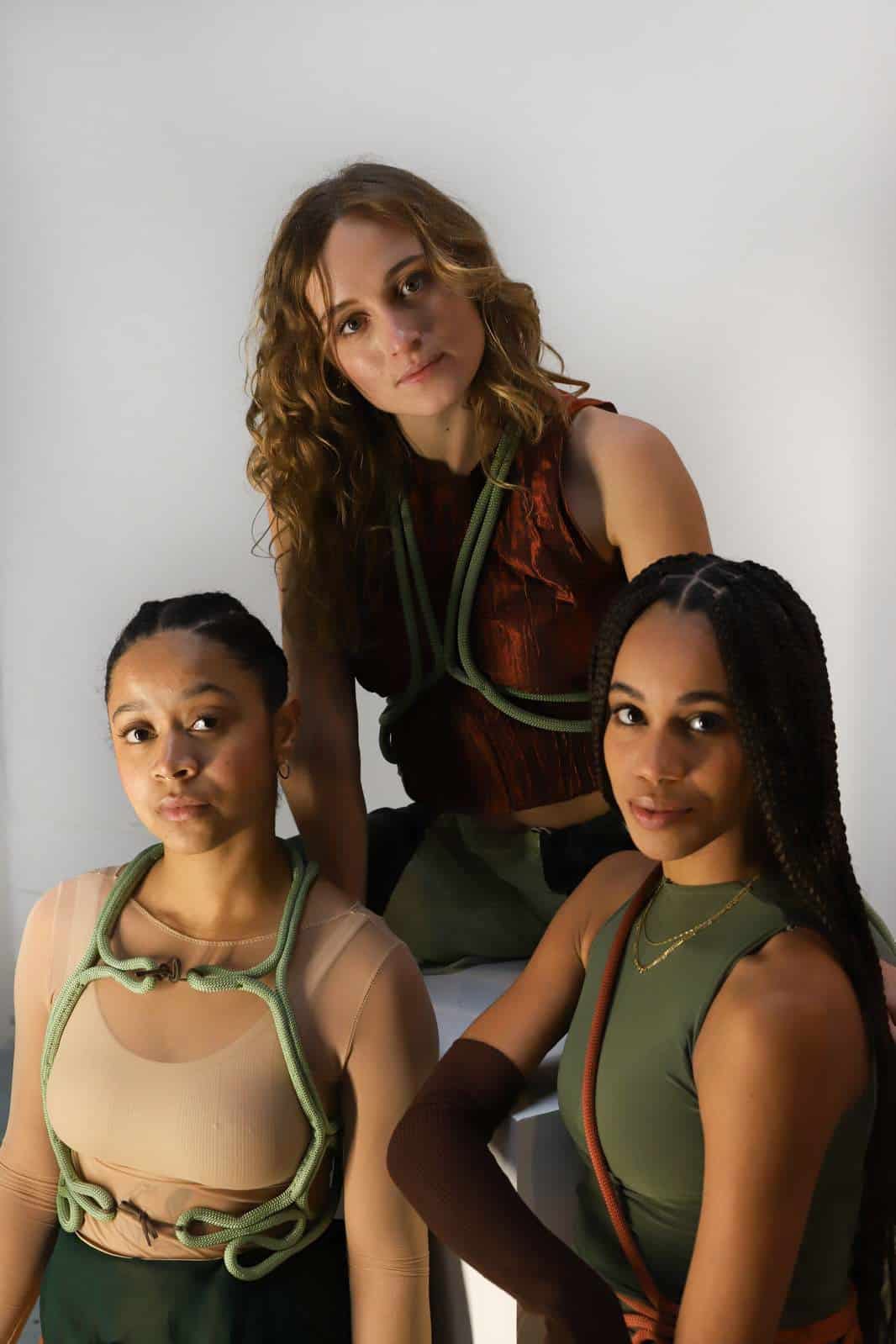
In 2021, three friends — Pauline Lida, Justine Sène and Jade Verda — created Minuit 12, a dance collective devoted to research and activism. A collective for artists exploring themes related to climate and biodiversity. Through choreographic works supported by institutions as well as performances carried out during activist actions, the collective has built a multifaceted and committed community.
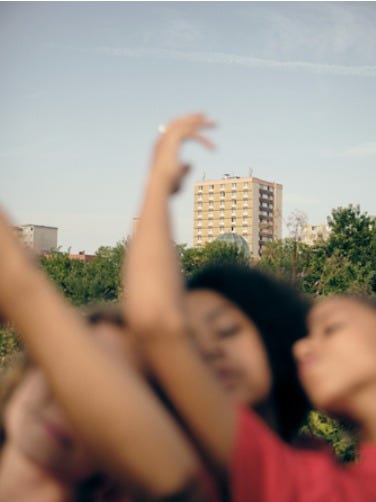
I first heard about their work through Jade who, besides being very nice, happens to be, brace yourself, the girlfriend of my girlfriend’s little cousin. Recently, during a dinner at our place with friends from another generation of activism, Jade used the word “piracy” to describe her practice. By piracy, she meant the ability to surprise, to stop the ship in its tracks to draw attention, to sail toward islands of culture either on a shaky raft or on a gleaming three-masted ship, depending on whether the wind is good or bad.
What I admire in this generation is a kind of impatient creative energy, unwilling to wait for answers from an old guard too accustomed to securing grants and funding. A somewhat anarchic dynamism that shakes up the famous French cultural insider circle and carves out space for their artistic practice.
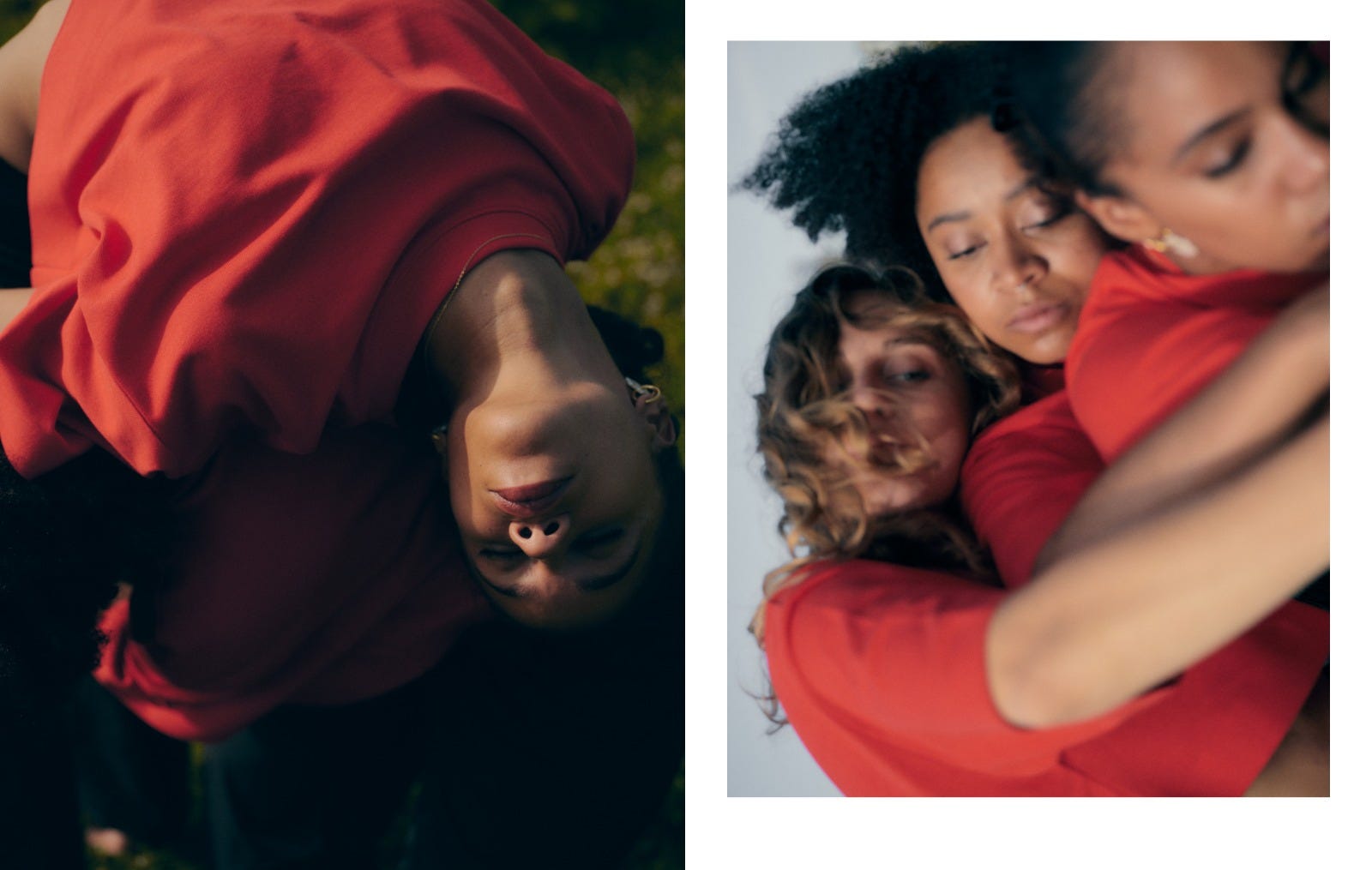
Make no mistake, the Minuit 12 collective is not a band of lawless pirates either. They fill out their share of applications, apply for grants, and respond to requests from cultural institutions. But when things don’t work out, when the process drags on too long, the priority remains to create. So they jump in without a harness. It relies on the support of an engaged community, on a lot of démerde — a French mix of resourcefulness and scrappiness — and, of course, on the body, the raw material of their work, always in motion, always in use.
If you want to understand a country, sometimes the best place to start is a dance floor. The best way to get lost in France today might be to follow where bodies are moving, from studios to stages, from borrowed rooms to unexpected spaces. The Minuit 12 collective helped me trace a few of the places where dance is being made today.
Jade, at Christmas you told me you dreamed of a house with beautiful wooden beams where you could hang yourself. That sounded a bit creepy. Can you explain?


It’s actually a strange professional reflex. Whenever we arrive somewhere, we immediately look at the ceiling beams to see whether we could hang from them and do aerial or vertical dance. It’s a discipline we’ve been practicing for several years. We dance while wearing a harness attached to a rope. With Collectif Minuit 12, you could say we pushed the idea a bit far. We created a vertical dance project aboard a three-masted sailing ship out at sea. And it worked. The short film will be released in a few months.
For someone unfamiliar with it, contemporary dance can seem abstract and sometimes a bit hard to access. Yet Collectif Minuit 12 claims a militant approach. Can a moving body really carry ideas?
Institutional dance, the kind performed only in theaters and black box spaces, can sometimes feel closed off. But the dance we encounter in everyday life is everywhere. In France, four million people aged fifteen and over practice dance, even if that figure dates back to 2008. Think of dance floors at parties or even the dances that circulate on social media.
On n’arrête pas un peuple qui danse est un court-métrage du Collectif Minuit 12. Si l’urgence climatique n’est pas suffisamment entendue, alors nous devons créer plus fort. Danser avec d’autant plus d’ardeur. Imaginer, chorégraphier, sculpter, affirmer la victoire de la vie sur l’absurdité.
Dance touches something deeply political: movement. The word “emotion,” which comes from motion, appeared in France in the fifteenth century not to describe a private feeling but a collective agitation, a popular revolt. Emotion first meant an uprising of the social body. Movement is at the very heart of the idea of revolt. Dancing activates the power of a body that begins to move and pulls other bodies with it.
The history of dance shows this clearly. Jazz, capoeira, cumbia, hip-hop, waacking, krump. Many were born within marginalized communities asserting their existence in the face of oppression. With Collectif Minuit 12, we simply place ourselves within that continuity, a relationship to the body and to dance that is deeply political.
What excites you today about contemporary dance in France?
The multiplication of stylistic hybrid forms, in both dance and music, excites us a lot. Despite an increasingly difficult economic situation for the performing arts, artists, performers and choreographers continue to free themselves from disciplinary boundaries. Dance creation in France is extremely dynamic. It draws influences from all over the world and produces truly beautiful forms.
You love wind, waves, mountains. In what natural setting would you dream of performing?
The calanques near Marseille. And why not hanging from the cliffs above the water, to keep things simple.
I don’t know if you know this series of gags from Gaston Lagaffe, the comic character created by André Franquin, where he appears in ridiculous costumes and asks, “What if we danced?” What would be the least practical costume for you to dance in?
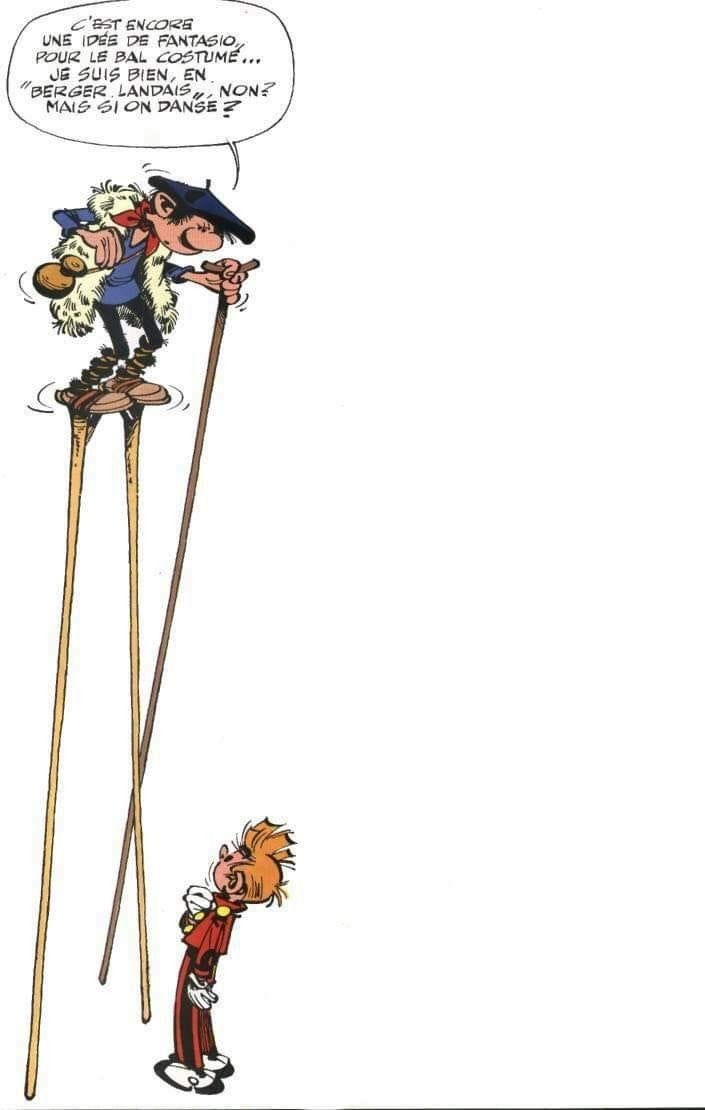
If you only knew the outfits people have already suggested we dance in. Things like being covered with leaves and vines, as if we were naked underneath. A sort of nature-muse fantasy. Suggested by a man in his sixties, of course.
Speaking of dancing, where would you recommend going out to party?
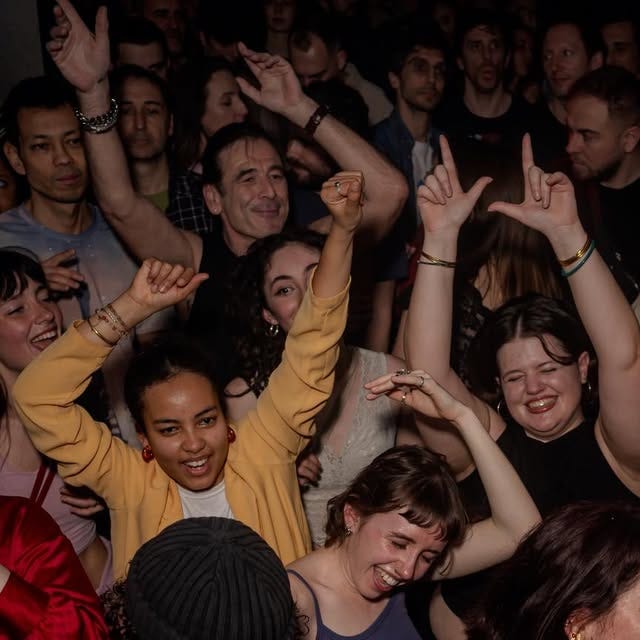
In Paris we recommend La Mona, a house and disco party that takes place once a month at La Bellevilloise. Early in the evening there is even a short dance class, sometimes waacking, house or voguing. We also really like Pulse. It’s a party reserved for women, transmasculine and non-binary people over twenty-one.
And in a more institutional setting, can you recommend a theater or a place to watch contemporary dance?
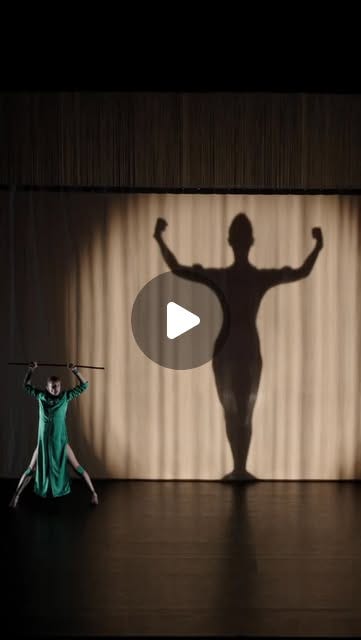
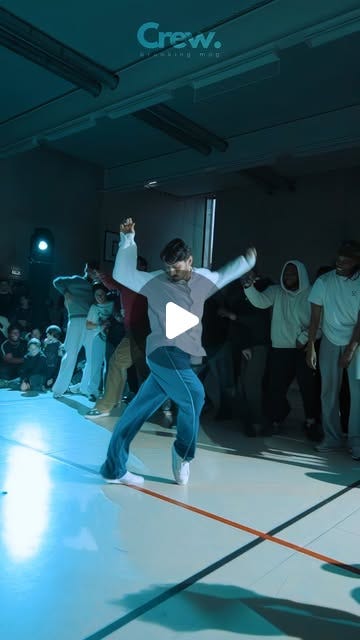
The Théâtre de Suresnes Jean Vilar has an excellent dance program, especially during the Suresnes Cité Danse festival. In Marseille you can see performances at KLAP, a center dedicated to dance. In another style, we strongly recommend going to dance battles. The level in France is extremely high and there are many different categories and formats.
Aside from you, which other collective, dancer or choreographer should we follow?
We recommend Josepha Madoki, Leïla Ka, Damien Jalet, the company XY, which works in contemporary circus, Bobbi Jene Smith and Or Schraiber. A choreographer we also love is Sarah Adjou and her company Yasaman. In hip-hop, you should see the work of Saido Darwin and the company Kh. In pole dance, we strongly recommend the work of Lyou.
If you had to share a good book, film or podcast to help build a militant consciousness, what would it be?
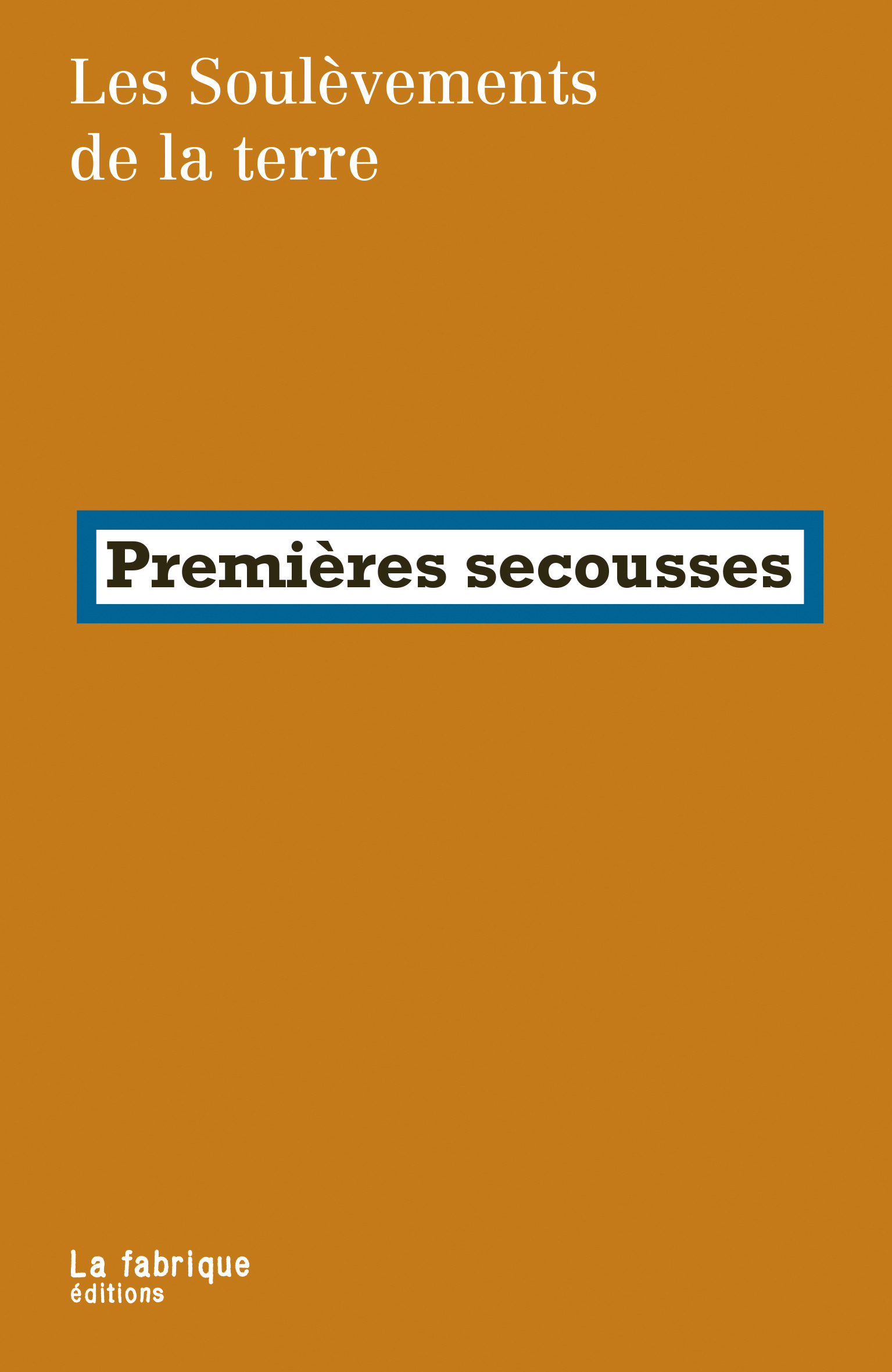
Premières secousses by the collective Les Soulèvements de la Terre. Prison Notebooks by Antonio Gramsci. Undrowned: Black Feminist Lessons from Marine Mammals by Alexis Pauline Gumbs. I, Tituba, Black Witch of Salem by Maryse Condé.
All the films by Hayao Miyazaki, especially Nausicaä of the Valley of the Wind. In a very different style, the film Mustang.
You can also follow the work of Sarah Mako and Féris Barkat, who publish videos, audio pieces and written content online.
Finally, the ritual question. If today’s France were a dance style or a dance move, what would it be?
Probably the Running Man, a shuffle dance step that gives the impression of running while staying in the same place.